
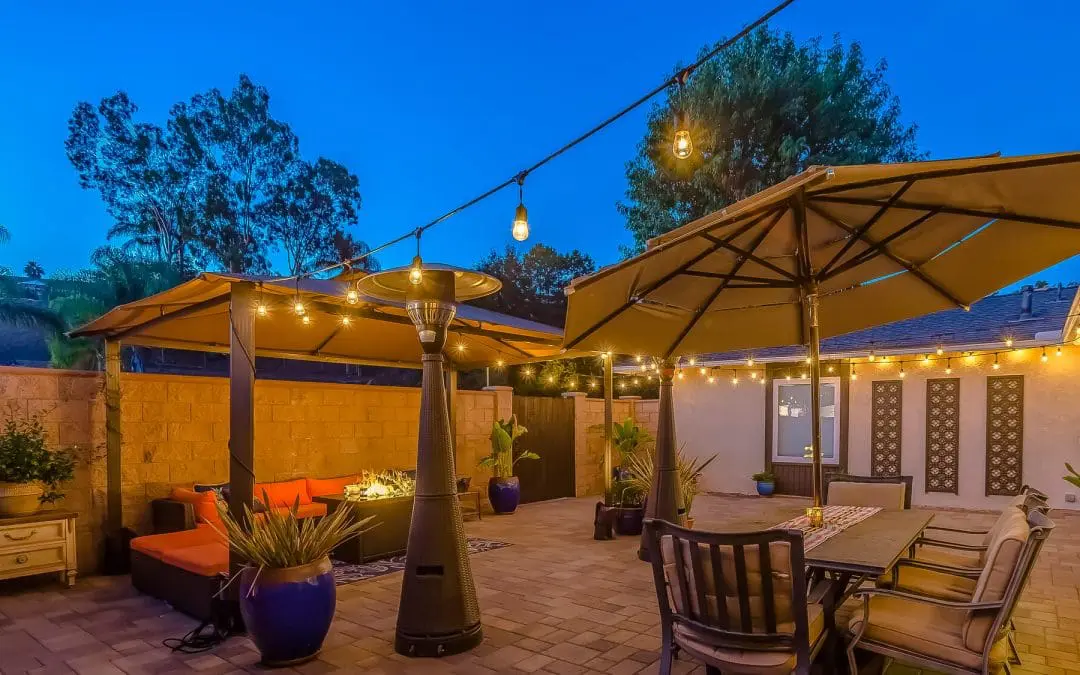
The right exterior lighting transforms how a home looks after dark, extends the usability of outdoor spaces well into the evening, and significantly improves safety and security throughout the property. Yet exterior lighting is one of the most consistently neglected aspects of home improvement, with most homeowners settling for whatever came with the house and never revisiting it. A thoughtful upgrade to your home’s exterior lighting is one of the most accessible and high-impact improvements you can make.
Why Exterior Lighting Deserves a Fresh Look
Most homes were built with minimal exterior lighting, a porch light, perhaps a garage sconce, and little else. That approach leaves large portions of the property in darkness after sunset, creating safety hazards along walkways and steps, reducing the effectiveness of any security system, and leaving the home’s curb appeal completely invisible during evening hours. Rethinking your lighting from the ground up, considering how the home and yard are actually used after dark, where hazards exist, which architectural features deserve to be highlighted, and what atmosphere you want to create in outdoor living areas produces results that go far beyond simply adding a few new fixtures.
Start With a Lighting Audit of Your Property
Before purchasing a single fixture or bulb, walk your property after dark and take an honest inventory of what’s working and what isn’t. Where are the darkest areas? Are there steps, changes in grade, or pathway edges that are difficult to see? Can you see the front door clearly from the street? Are there areas around the perimeter where someone could approach the home without being illuminated? This walkthrough gives you a clear priority list and prevents the common mistake of adding lighting randomly without a plan. Pay attention to how existing fixtures are performing. Poorly aimed fixtures that shine directly into visitors’ eyes rather than illuminating surfaces, fixtures using outdated incandescent bulbs that cast yellow, dim light, and decorative fixtures that look great during the day but produce almost no useful light at night are all common issues that a lighting audit quickly reveals.
Exterior Lighting Strategies for Safety and Security
Safety and security are the two most functional reasons to invest in exterior lighting, and addressing them effectively requires thinking beyond the front door. Pathway lights along walkways, steps, and driveway edges illuminate the surfaces people use most frequently and dramatically reduce the risk of trips and falls after dark. Low-profile stake lights or in-ground fixtures work well for pathways, providing enough light to navigate safely without creating glare. Motion-activated security lighting is one of the most effective lighting upgrades for home security. Positioned at garage approaches, side yards, back entryways, and any area where visibility is limited, motion lights activate the moment movement is detected. Modern LED motion lights are bright, energy-efficient, and can be adjusted for sensitivity and duration to minimize false activations from wildlife or passing cars.
Exterior Lighting for Curb Appeal and Outdoor Living
Security and safety aside, exterior lighting has a powerful role to play in how beautiful a home looks after dark. Uplighting trees, architectural features, and garden beds creates drama and visual depth that makes a property look professionally landscaped, regardless of how simple the planting actually is. A well-placed uplight on a mature tree transforms it into a stunning focal point. For outdoor living areas, the goal is layered, warm lighting that creates atmosphere rather than harsh overhead illumination. String lights overhead create a canopy of warm light that makes patios and decks feel like an outdoor oasis. Wall-mounted lanterns on either side of a back door or pergola posts add structure and elegance. Low-voltage accent lights around planters, water features, and garden ornaments complete the layered look that separates a casually lit yard from one that feels truly designed.
Switching to LED bulbs throughout your exterior lighting is one of the simplest and most impactful upgrades you can make, regardless of which fixtures you choose. LEDs consume less energy than incandescent alternatives, last many times longer, perform better in cold and wet conditions, and are available in a range of color temperatures.
Frequently Asked Questions (FAQs)
What is the most important type of exterior lighting to prioritize first?
Safety lighting along pathways, steps, and entryways should be the first priority. These are the areas where inadequate lighting most directly creates a physical hazard.
How do I choose between solar and wired lighting?
Solar lighting is the easiest to install and works well for pathways, accent lighting, and low-traffic decorative applications where consistent brightness isn’t critical. Wired lighting provides more reliable, consistent performance and is the better choice for security fixtures, entryway lighting, and any application where dependable brightness is essential.
Does exterior lighting really deter burglars?
Yes, research consistently shows that well-lit properties are significantly less attractive to opportunistic intruders than dark ones. Motion-activated security lights, in particular, are among the most effective deterrents because they eliminate the cover of darkness and draw immediate attention to movement around the property.
How often should exterior fixtures be maintained?
Clean fixture lenses seasonally to remove dirt and oxidation that reduces light output over time. Check and replace bulbs promptly when they burn out. Inspect wiring connections and fixture mounting hardware annually, and check motion sensor calibration at least once a year to ensure proper sensitivity and aim.
DMV Home Inspections offers inspection services to homebuyers and sellers in the Washington DC metro area. Contact us to schedule an appointment.