
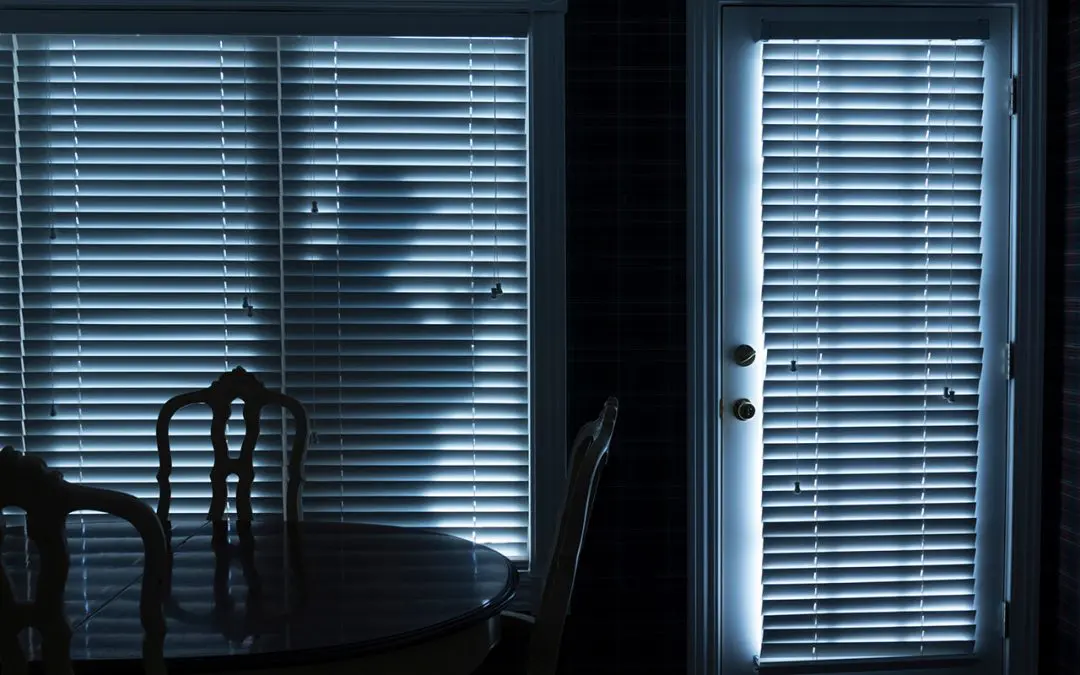
Most homeowners think about home safety in terms of products: cameras, alarms, smart locks, reinforced doors. And those things matter. But some of the most effective ways to keep your home safe don’t involve buying anything at all. They involve building habits, making consistent choices, and understanding how opportunistic crime actually works. The homeowners who rarely experience break-ins, accidents, or security incidents are often the ones who’ve made safety a natural part of how they move through their day.
The Foundation to Keep Your Home Safe
Security professionals consistently point out that the majority of residential break-ins are opportunistic, not planned, not targeting specific homes, but exploiting whatever vulnerability presents itself. An unlocked door, an open garage, a predictable vacancy pattern, a dark perimeter with easy concealment. These are the conditions opportunistic intruders look for, and they’re almost entirely created by habits rather than hardware failures. The most foundational way to keep your home safe costs nothing. It means locking doors consistently, checking that the garage door has closed before pulling out of the driveway, and varying the patterns that make your home’s vacancy predictable.
The Habits That Actually Keep Your Home Safe Day to Day
Locking every entry point every time eliminates the easiest form of opportunistic entry. Most people lock the front door by habit but overlook the back door, the garage entry, and ground-floor windows left open during the day. Awareness of what’s visible from the outside matters equally. Packages left on the porch for hours announce that no one is home. Tools and valuables visible through a garage window invite attention. Getting into the habit of seeing your property as a passerby does significantly reduce risk without any physical changes.
Getting to know your immediate neighbors creates mutual awareness that is one of the most effective deterrents to residential crime. Neighbors who know each other’s routines notice when something seems off. A shared phone number costs nothing and contributes more to home safety than most people realize.
Simple Steps to Take Before Traveling
Vacancy is when a home is most vulnerable, and managing the appearance of occupancy during absence is one of the most effective ways to keep your home safe when you’re not there. Mail and packages that accumulate while you’re away are among the most visible signals of absence. Holding mail through the post office, asking a neighbor to collect packages, and pausing deliveries for the duration of your trip eliminate this signal. Light timers on interior lights, set to mimic natural occupancy patterns, create the impression of a lived-in home at no ongoing cost.
Sharing travel plans only with people who need to know is a simple but meaningful habit. Posting vacation content on social media while you’re away communicates your absence to a wider audience than you may intend. Waiting until you’re home to share travel photos removes this vulnerability entirely. Asking a trusted neighbor to keep an eye on the property provides the kind of active awareness that no camera system fully replicates.
Frequently Asked Questions (FAQs)
What is the easiest single habit to build to keep your home safe?
Locking the door every time you leave a room or exit the house is the easiest and highest-impact habit available. Most opportunistic entries happen through unlocked doors and windows, not forced entry. Making locking automatic rather than situational removes the moment of judgment where the habit most often breaks down.
Does a home security sign or camera decal deter break-ins even without an actual system?
Research suggests visible security indicators do deter opportunistic intruders looking for easy targets. A sign communicates that the home is not a low-risk choice. That said, an actual system provides protection that a sign alone can’t replicate, and some intruders recognize decoy indicators. Visible signage backed by actual security measures is the most effective combination.
How do I keep my home safe when I have frequent service workers or contractors?
Establish clear access boundaries and don’t leave high-value items visible in work areas. Use a lockbox or smart lock code for entry rather than a key that can be copied. Change access codes after a project is completed. For recurring services, confirm employees are background-checked and be present for the first few visits until a trusted relationship is established.
Are smart home devices a security risk?
They can be. Smart locks, video doorbells, and cameras improve home safety significantly, but poorly secured devices may create vulnerabilities. Use strong, unique passwords on all smart home devices and your network. Enable two-factor authentication where available and keep firmware updated. A smart device on a network with a default password is a known weak point; a few minutes of setup ensures it’s an asset rather than a liability.
How do I keep my home safe in a neighborhood where I don’t know my neighbors well?
Start with an introduction, a simple knock and greeting go a long way. Neighborhood apps allow digital community connection without face-to-face interaction, and local groups often share real-time information about suspicious activity. Even minimal connection significantly improves the informal surveillance that is one of the most effective forms of residential security.
DMV Home Inspections offers inspection services to homebuyers and sellers in the Washington DC metro area. Contact us to schedule an appointment.