
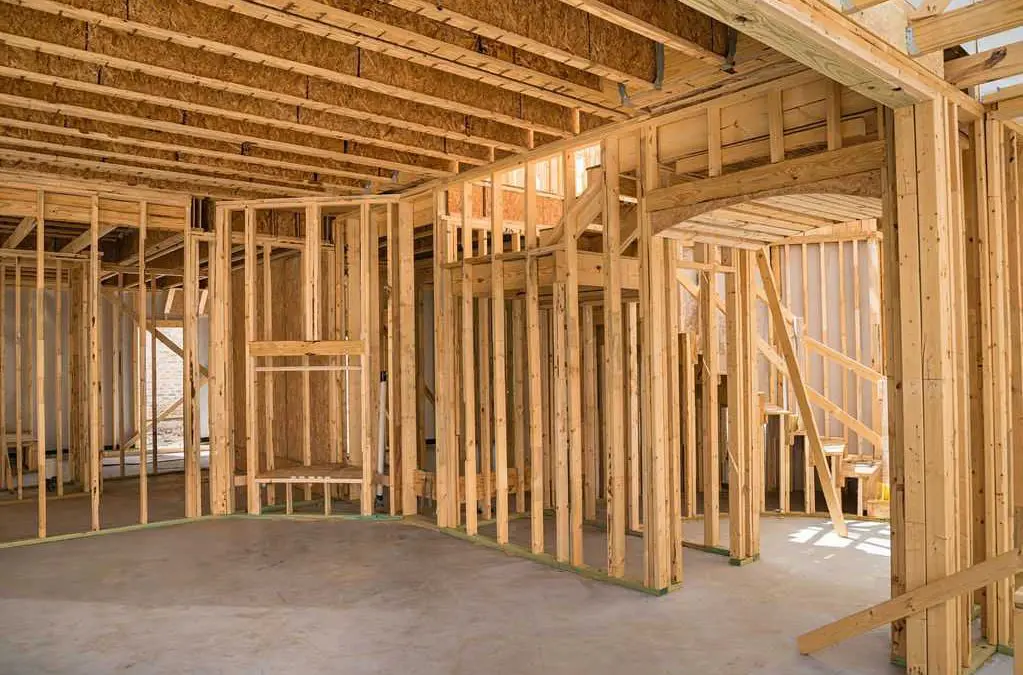
Buying a newly built home often comes with the expectation that everything will be flawless. Fresh materials, modern systems, and the latest building standards give the impression that problems are years away. In reality, New Construction Defects are more common than many buyers realize, and they can show up within the first year of ownership. Understanding where these issues tend to occur helps set realistic expectations and encourages proactive planning before small problems turn into expensive repairs.
Why New Construction Defects Still Happen
Even with updated building codes and inspections, construction is still a human process. Tight timelines, subcontractor coordination, material shortages, and weather conditions all influence the final result. New Construction Defects often stem from rushed workmanship rather than poor intentions.
Another factor is that modern homes are complex systems. Plumbing, electrical, roofing, framing, and HVAC all rely on precise installation. When one part is slightly off, it can affect other systems over time, sometimes long after the home is occupied.
Structural New Construction Defects to Watch For
Structural issues tend to be the most concerning, even if they are not immediately visible. Foundation cracks, uneven floors, and improperly framed walls can develop as the home settles. Some movement is normal, but excessive shifting may indicate deeper problems.
Poor soil preparation or drainage issues around the foundation are common contributors. These New Construction Defects may not raise alarms during a walkthrough but can show up months later as doors stick or cracks appear in drywall.
Roofing and Exterior New Construction Defects
The exterior of a home is its first line of defense against the elements. Roofing issues are among the most common New Construction Defects, especially improper flashing, poorly installed shingles, or inadequate sealing around vents and chimneys. These problems often lead to water intrusion, which can remain hidden for a long time.
Siding, windows, and doors are also frequent trouble spots. Improper installation can allow moisture and air leaks, reducing energy efficiency and causing long-term damage behind the walls.
Plumbing Defects Inside the Walls
Plumbing defects in new homes often come down to connections. Loose fittings, improperly supported pipes, or incorrect slopes can lead to leaks or drainage problems. Because much of the plumbing is hidden, these New Construction Defects may not be obvious until water stains or pressure issues appear.
Water heaters, shutoff valves, and exterior hose bibs are other areas where installation errors sometimes occur. These components may function initially but fail prematurely if not installed correctly.
Electrical New Construction Defects and Safety Concerns
Electrical systems are designed to meet modern demands, but mistakes still happen. Common New Construction Defects include overloaded circuits, loose wiring, improperly installed outlets, and mislabeled breaker panels. These issues can range from inconvenient to dangerous.
Small warning signs such as flickering lights or warm outlets should never be ignored. Electrical defects often worsen over time and are best addressed early.
HVAC and Insulation Defects
Heating and cooling systems are essential for comfort, yet HVAC-related New Construction Defects are surprisingly common. Improper duct sizing, poor airflow design, or incorrect system installation can lead to uneven temperatures and higher energy costs.
Insulation issues often go hand in hand with HVAC problems. Missing or compressed insulation reduces efficiency and comfort. These defects may not be visible but can be felt through drafts, hot spots, or excessive utility bills.
Why Early Detection of New Construction Defects Matters
Catching New Construction Defects early protects both comfort and investment. Many builders offer warranties, but those warranties often have time limits. Identifying issues within those windows makes resolution much easier.
Early detection also prevents minor defects from escalating. A small leak today can become major water damage tomorrow. Addressing problems sooner saves time, stress, and money.
FAQs
- Are New Construction Defects normal in brand-new homes?
Yes, many new homes have minor defects. Not all are serious, but understanding what is typical helps buyers stay informed and proactive. - When do most New Construction Defects appear?
Many defects show up within the first year as the home settles and systems are used regularly. Others may take longer to become noticeable. - Do builder warranties cover New Construction Defects?
Most builders offer warranties, but coverage varies by component and timeframe. It is important to understand what is included and for how long. - Should a new home still be inspected?
Absolutely. Independent inspections can uncover defects that may not be obvious during builder walkthroughs. - Can small New Construction Defects turn into major problems?
Yes. Minor issues like poor sealing or small leaks can lead to significant damage if left unaddressed.
DMV Home Inspections offers inspection services to homebuyers and sellers in the Washington DC metro area. Contact us to schedule an appointment.
Recent Comments